
How to Save Energy in the Summer: Top Tips
We are only at the beginning of summer here in Florida, but the temperatures are rising rapidly. As the temperatures climb, so does your energy bill, making summer the most expensive time of year for your utilities. While using more air conditioning and cooling systems is expected during the dog days of summer, you may be wondering how to save energy this summer. The good news is that only a few modifications and swaps can still allow you to be comfortable and cool in your home without your energy bills skyrocketing.
In this guide from Thigpen Heating & Cooling, we will break down some tips and tricks to help keep your home cool this summer and reduce strain on your HVAC system, while keeping your energy bills within a comfortable range.
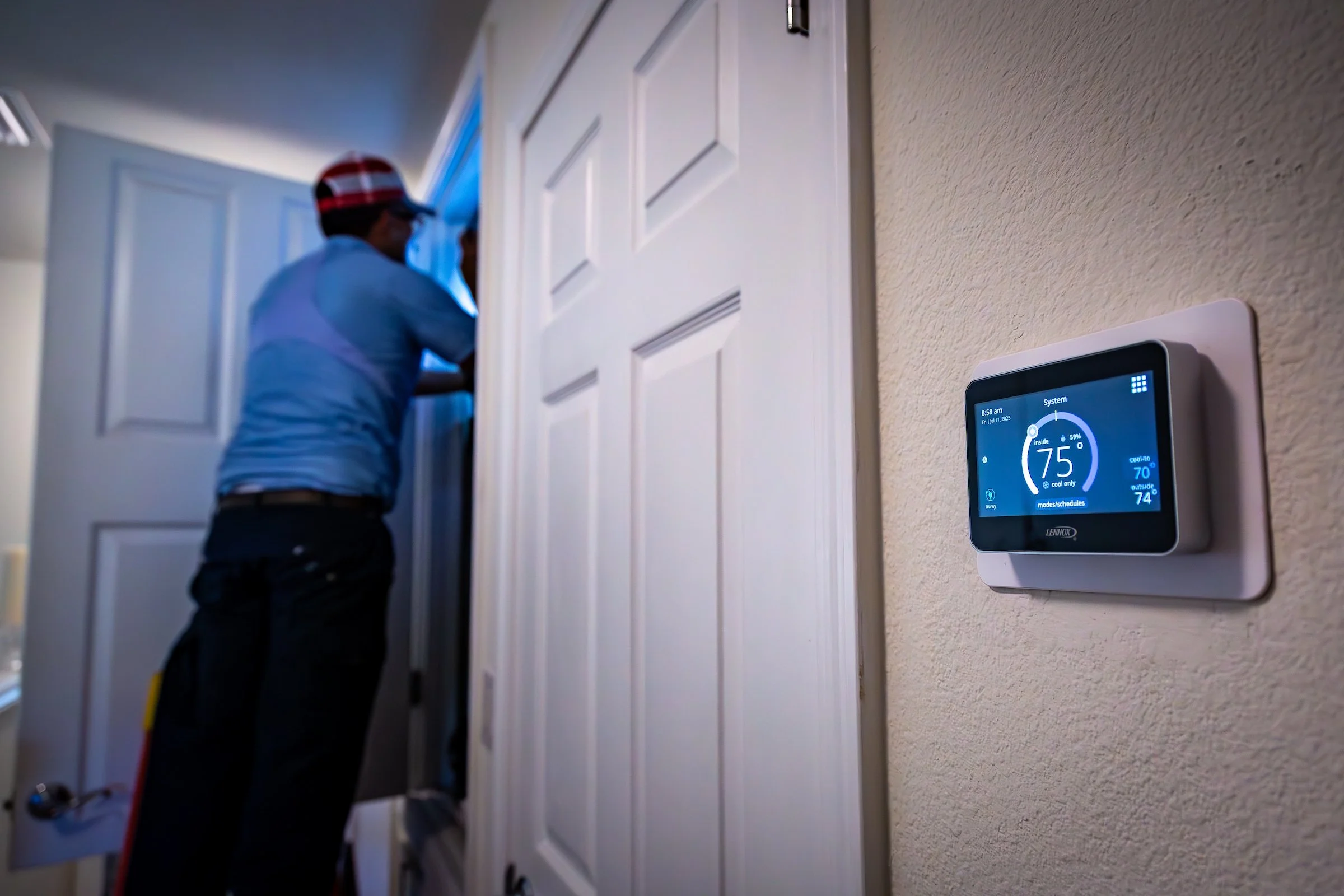
Why Saving Energy is Crucial in the Summer
Knowing how to save energy in the summer starts with understanding why it matters (other than saving you money). During the hot summer months, your HVAC system is working hard to maintain a comfortable indoor air temperature. This increased energy demand not only leads to higher utility bills, but also more wear and tear on your system and increased environmental impact.
In Florida, it is not uncommon for your air conditioning to contribute to more than half of your summer utility costs. The good news is that with proper measures, you can not only save money but also help extend the lifespan of your HVAC system and reduce your environmental carbon footprint all at the same time!
Optimize Your AC Settings for Efficiency
The easiest and most effective way to save energy in the summer is to adjust your thermostat settings.
Ensure that you are setting the right temperature. According to the U.S. Department of Energy, air conditioners use around 12% of the electricity in American households, or $29 billion for homeowners. Additionally, find a comfortable indoor temperature (start between 75-78°F) during the day and increase it by 7°F when no one is home.
If you are looking to replace your HVAC system, look for ENERGY STAR® rated units and check the EER2 ratings, keeping in mind that a higher rating is indicative of a more efficient air conditioner. Furthermore, look for and use programmable thermostats that allow you to increase the temperature automatically when you are not home, and lower it shortly before you are due to return home.
Finally, resist the urge to crank down the temperature rapidly. This will not cool your home any more quickly and force your system to run longer. Gradual temperature adjustments are more efficient and better for the longevity of your system.
The Role of Insulation in Energy Savings
Insulation plays a crucial role in saving energy year round, but especially during the summer. A properly insulated home maintains its indoor temperature better by preventing cool air from escaping outside. A home with improper insulation does not retain cool air as well, forcing your HVAC system to work harder to compensate. Ensure that your attic, walls, and any crawl spaces are properly insulated and seal any air leaks and gaps around doors and windows. If you are unsure about the quality of your home’s insulation, schedule an inspection from a licensed and trusted HVAC professional.
Smart Thermostats: A Game Changer
As technology has evolved, so have HVAC systems. Long gone are the days of manual thermostats and having to remember to adjust the temperature before leaving for the day. Most HVAC systems are now equipped with smart thermostats. These systems can be programmed to change the air temperature inside your home based on the outdoor conditions and whether or not you are home.
Some of these thermostats learn your habits and offer suggestions and automatically adjust your temperatures to optimize efficiency and save you money. Many systems can even be controlled from a smartphone app, allowing you to make changes whether you are at work 30 minutes from home, or on vacation 3,000 miles away. This not only reduces your energy bills but also decreases your energy usage and provides you with real-time energy usage insights.
Energy-Efficient Lighting and Appliances
While your air conditioning contributes significantly to your utility costs, it is not the only factor impacting your energy bills this summer. Your lighting and other appliances also consume electricity and contribute to your energy costs.
While LED lightbulbs have been around for many years, traditional incandescent bulbs are still used. However, these bulbs produce more heat than LED alternatives. By switching to LED bulbs, you will use up to 75% less energy and produce less heat while lasting longer than traditional bulbs.
Also, consider upgrading old appliances to ENERGY STAR® rated appliances to reduce your energy usage and indoor heat. Consider running heat-generating appliances such as dishwashers and dryers in the evening versus during the hottest parts of the day. This will keep your indoor air temperature cooler while keeping your bills lower.
Regular HVAC Maintenance Tips
Regularly maintaining your HVAC system is essential to saving energy in the summer. A few easy ways to do this include:
Change air filters regularly: Aim to change your air filters every 1-3 months (depending on your system). Clogged or dirty filters restrict airflow, forcing your system to work harder.
Keep on top of refrigerant levels: Refrigerant allows your HVAC system to keep air cool and low levels reduce cooling efficiency and increase energy usage.
Clean your unit: Check and clean any debris or dirt from around your outdoor condenser, especially after heavy rainfall and storms.
Schedule annual inspections and tune-ups: Keep your HVAC system in tip-top shape by having a professional inspect your unit and identify any potential issues before they become major headaches.
Support Your HVAC System
Your HVAC system does a lot of heavy lifting during the summer months, and you can help support your system to reduce its energy consumption. An easy way to do this is by supplementing with fans, both ceiling and portable fans, which help air circulate while keeping the temperature inside your home lower. Install curtains and blinds and close them during the hottest and sunniest times of the day to reduce indoor heat gain. Consider reflective window films or blackout curtains to reflect excess heat away from your home. All of these steps will allow your HVAC system to work better with reduced strain.
The Benefits of Energy Saving
Saving energy in your home goes beyond lower energy bills. While the biggest payoff is spending less on your utilities every month, saving energy will also extend the lifespan of your HVAC system by helping it run more efficiently and with fewer repairs. Furthermore, an efficient HVAC system maintains more even and comfortable indoor temperatures, enhancing your comfort inside your home. Finally, using less energy is better for the environment and reduces greenhouse gas emissions.
Saving energy during the summer does not require you to make drastic changes in your everyday life. Adjusting the thermostat temperature when you are not home, using smart thermostats, and regular HVAC maintenance are just a few ways to reduce your energy consumption which leads to a more comfortable and cost-effective home.
The experts at Thigpen Heating & Cooling understand the importance of keeping your home comfortable while keeping energy costs manageable. Our team can inspect your unit and offer suggestions on how to best optimize your system for its performance and longevity.
If you have any questions about your HVAC system or want to schedule an inspection, reach out to our team at Thigpen Heating & Cooling today.