
In Florida, a working HVAC unit is worth its weight in gold. Your HVAC system is one of the most important parts of your home, keeping your home cool and comfortable during the oppressive Florida summers, while also maintaining indoor air quality. However, like any working machine, HVAC systems do not last forever, and proper maintenance is vital to keeping your system working longer.
You may be asking yourself, how often does an HVAC system need to be replaced and is mine due for an update? While the exact answer depends on your individual system, usage, and upkeep, knowing what warning signs to look for helps you avoid unplanned system breakdowns.
In this guide from Thigpen Heating & Cooling, we will outline the key insights homeowners need to know about their HVAC unit, including how often your HVAC system needs to be replaced and what to consider when the time comes.
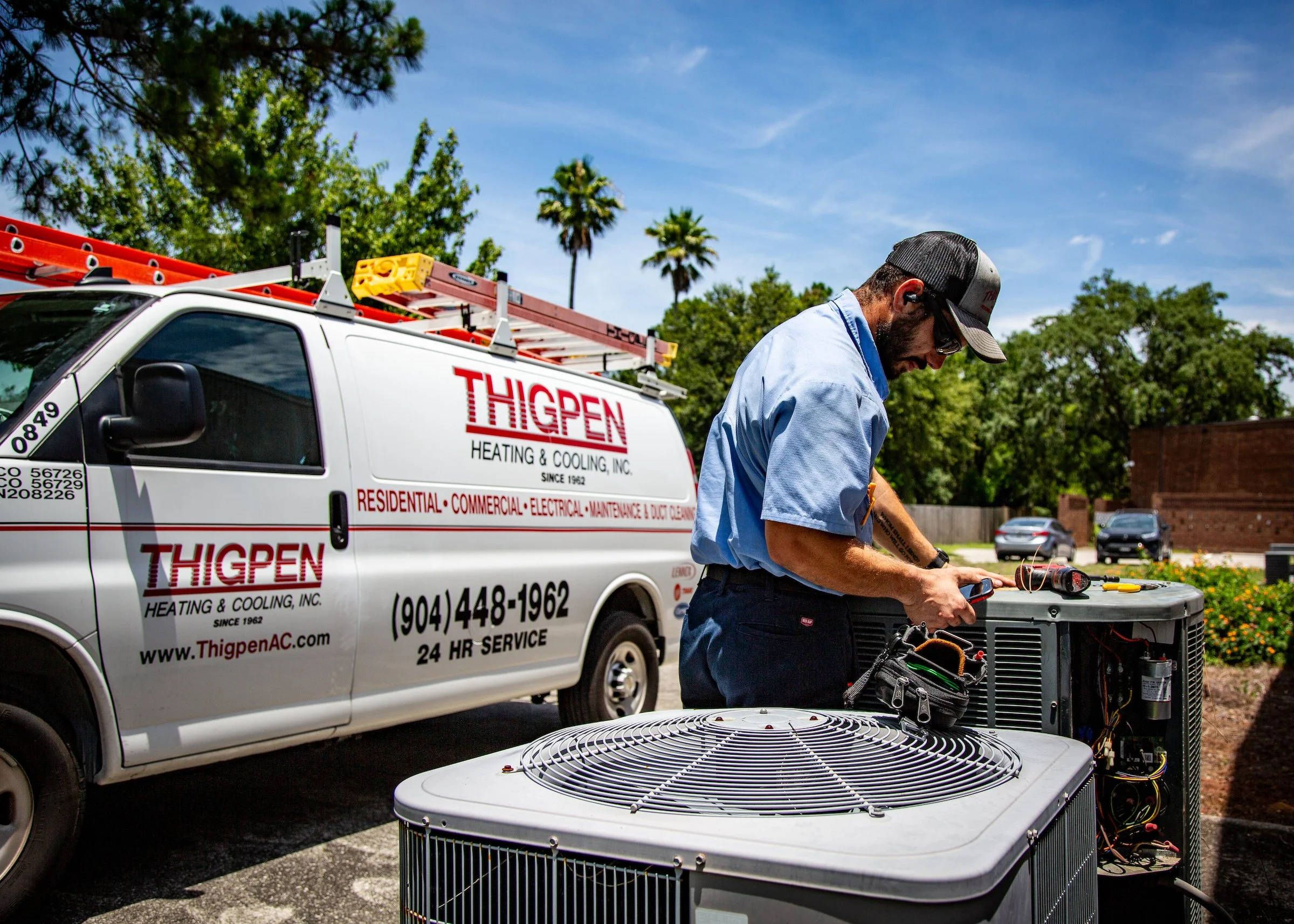
Recognizing the Signs Your HVAC Needs Replacement
It is important to know when your current HVAC unit may be nearing the end of its lifespan. While your HVAC unit may still work as the weather is warming up, there are certain warning signs to look out for that may signal that it is time to look for a replacement. Some of the common signs include:
Inconsistent temperatures throughout your home: If you notice that the temperature is warmer or cooler from room to room, it may be a sign that your aging HVAC unit can not handle the demands you need.
More frequent repairs: If you have the repairperson in your most called list, it may be more cost-effective to replace your unit rather than calling in multiple repairs a year.
Rising energy bills: Newer HVAC systems are more energy efficient. If you have an older system and have increasing energy costs month to month, you may have a system that is working harder than it should.
More indoor allergens: Dust, mold, or stale air (even after a filter change) are a telltale sign that your system needs to be replaced.
Noises or odors: Your system should not be loud or emit an odd odor. These can be signs of serious internal component issues.
Average Lifespan of HVAC Systems
The lifespan of your HVAC unit depends on the type of system you have. Your set-up and different components play a large role into the life expectancy overall. In general, you can expect the following lifespan estimates:
Air conditioners: 10-15 years (although 12-17 is common)
Heat pumps: 10-20 years
Furnaces: 15-20 years
Ductless mini-split systems: 10-30 years
It is important to remember that these are not hard and fast guidelines and can vary depending on how you maintain your unit and the demands you put on the system. Environmental factors, such as extreme heat and extreme cold can also shorten the expected lifespan of your system, so continue to monitor your system and have it inspected at the first sign something is amiss.
Factors That Affect HVAC Longevity
HVAC systems are expensive, and homeowners are often looking for ways to ensure that their investment lasts a long time. The good news is that there are several ways you can positively impact the lifespan of your equipment.
Regular maintenance: Proper maintenance is one of the most important factors in HVAC system longevity. Schedule annual inspections and tune-ups to spot small issues before they become major repairs.
Air filter changes: Replace your air filters every month or two to improve your system’s performance. A system that has proper air flow allows the unit to work more efficiently.
Climate and overall usage: If you run your system frequently, such as during Florida’s heatwaves, your unit will experience more wear and tear. As a result, HVAC systems may see a diminished lifespan.
Proper installation: If your system was improperly installed or sized incorrectly, your unit may experience more strain, reducing the overall lifespan of the system.
Ductwork: Poorly installed or dirty air ducts place more stress on your system, so ensure that your system is properly installed and cleaned regularly to improve its lifespan.
Planning for HVAC Replacement Costs
A new HVAC system is a huge investment and can seriously put a dent in your wallet. To help reduce the stress and annoyance of replacing your system, it is best to plan ahead. Do not wait for your system to break down to prepare for a replacement.
Identify how old your system is and understand the different factors that can influence its lifespan. Some additional areas that can influence how long your HVAC system will last include:
The type of HVAC system you have
The size of your home
The environment you live in, including regions with extreme temperatures
Energy efficiency
Ductwork and HVAC installation complexity
The upfront cost can be expensive, but many companies, like Thigpen Heating & Cooling, offer financing options for those who qualify. These options can make replacing your HVAC unit more cost-effective and easier to plan for.
Steps to Take Before Replacing Your HVAC
Before replacing your HVAC unit, you should know the steps to take before committing to a brand new system.
Schedule an inspection: Reach out to a qualified HVAC professional for an evaluation of your current system. They will measure its performance and determine whether the system can be repaired or if it needs replacement.
Evaluate your energy efficiency: Older systems are not as energy efficient as newer and more modern systems. Upgrading to a new system can reduce your overall energy consumption, saving you money overall.
Research contractors and obtain multiple estimates: If you determine that it is best to replace your entire HVAC system, reach out to multiple contractors and seek cost estimates for the system and installation. Ensure that your chosen contractor holds the proper licensures and insurance policies to operate in your area. Make sure they are communicative and that you trust them to do the job correctly.
Choosing the Right HVAC Replacement
If it is time for a new system, it is important to select the right system for your home, which will not only last a long time but is efficient and the correct size for your home. When considering options, look at the following:
Energy efficiency ratings: Modern systems are more energy efficient than older systems. Look for high SEER (Seasonal Energy Efficiency Ratio) or AFUE (Annual Fuel Utilization Efficiency) ratings.
Smart technology: If modern options such as smart thermostat compatibility is important to you, look for these and other advanced features.
System size: Ensure that you get the right size for your home. A system that is too large or too small will not run efficiently in your house. Your contractor will be able to help determine the right size for your home.
System type: Different HVAC systems have pros and cons. A furnace may work better for a home in the northeast United States, but gas furnaces and dual-hybrid HVAC models are more efficient. Research the different options and if you have any questions, reach out to your contractor to help you choose the right system for your home.
Replacing your HVAC system every 10 to 20 years can feel daunting (and expensive), but you can help increase the lifespan of your system with proper maintenance and looking out for the warning signs of fatigue. When you are prepared, you can avoid unexpected HVAC system failures that cause stress and anxiety.
Whether your system is near the end of its lifespan or your HVAC unit is experiencing issues, working with a trusted HVAC professional can give you peace of mind and help you navigate the next steps.
If you have any questions about your HVAC system or want to schedule an inspection, reach out to our team at Thigpen Heating & Cooling today.