
How Often to Change Air Filters: Tips for Homeowners
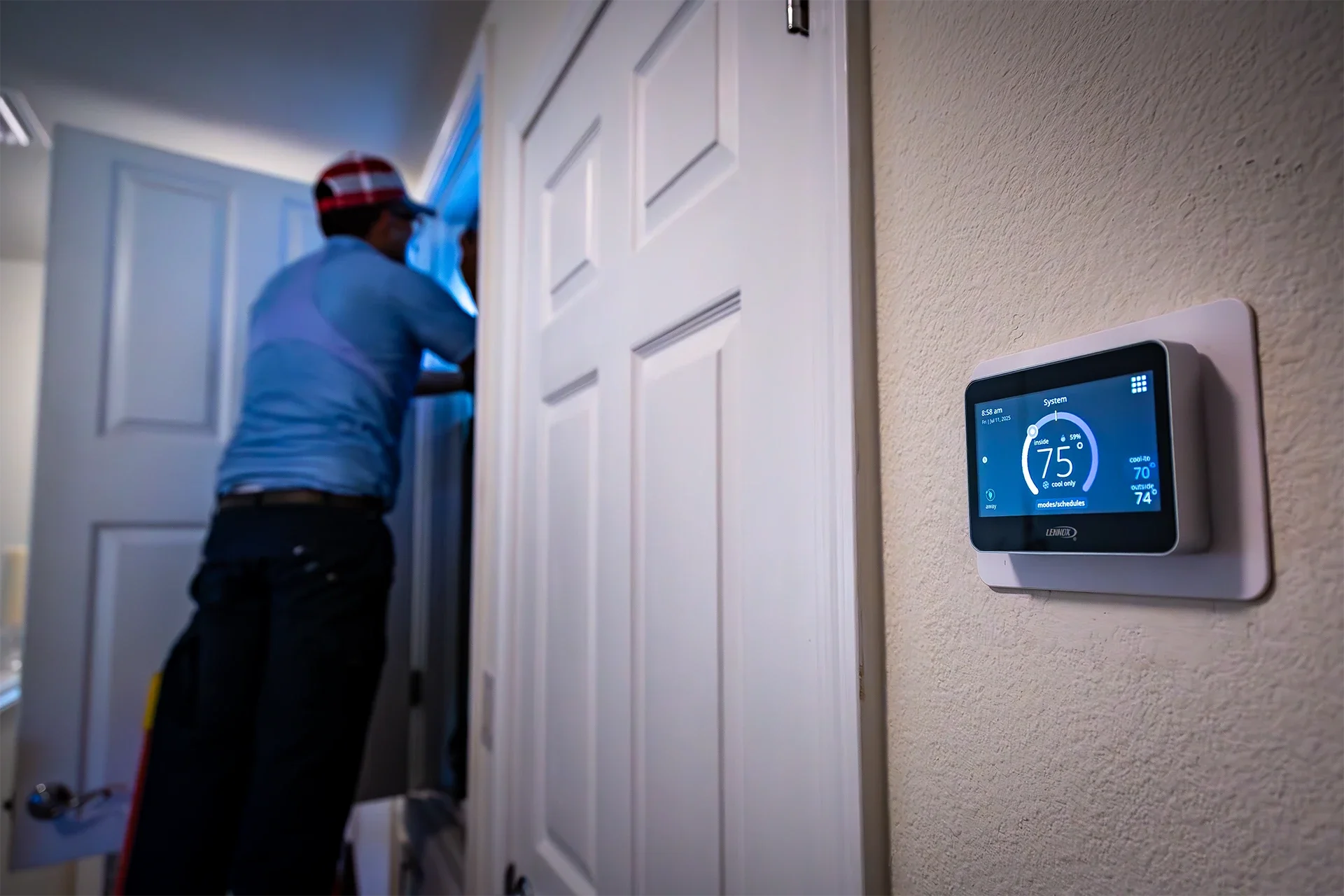
Your HVAC system is an important component of your home. It controls your home’s cooling and heating system, keeping the inside temperature comfortable year-round. One of the easiest ways to properly maintain your system is to regularly change your air filter. However, you may be asking yourself, “how often should I change my air filter?” While the answer may vary depending on your usage and system set-up, it is important to understand your system and why it is important to change your filters.
Learn more about why your air filters need to be changed regularly, how often to change your filters, how to choose the right filter for your system, and the signs to look out for when it comes to replacing your filters.
Why Your Air Filters Need Regular Changing
Like any system in your home, your HVAC unit needs regular maintenance and cleaning. The best way to keep your system running efficiently is to change your air filters routinely throughout the year. The air filters help catch dust, dirt, pollen, and other airborne allergens that filter throughout your home.
Over the course of a month or two, these particles will accumulate and can clog the filter, restricting airflow. This can cause your system to strain in an effort to push clean air throughout your ductwork and home. Failing to regularly change your air filters can lead to higher energy bills and reduced HVAC system performance, increased wear and tear on your system, and poor air quality in your home. By regularly changing your air filters, you can not only (literally) breathe easier knowing that your system is working properly, but rest assured that you are protecting your HVAC.
How Often Should I Change My Air Filters?
Every HVAC system has different needs and recommended maintenance schedules, including how often to change your air filters. However, as a general rule of thumb you should aim to change your air filters every one to two months to keep your system running smoothly. If you have pets or suffer from allergies, it is ideal to change your filters monthly to help reduce particles that can irritate your airway. If you have a vacation home or use your HVAC system minimally, you may be able to change your air filters every three months but always look at your filters to see how dirty they are getting and adjust accordingly.
Here in Florida, our experts at Thigpen Heating & Cooling recommend changing your filters monthly due to how much air conditioning is used.
Tip: Set a monthly calendar alert in your phone to remind you to change your air filters!
Signs Your Air Filters Needs Replacement
Even with the best intentions of replacing your air filters monthly, it is easy to get distracted or preoccupied. If you do not remember the last time you switched your filters, it is easy to visually check if your filters are due for replacement. When inspecting your air filters, look out for:
Dirt and dust: A thick layer of dirt and dust is a telltale sign that it is time for a new filter.
Weak or no airflow: Check the airflow from your vents. If it feels weak or non-existent, your air filters may be clogged.
Increased allergy or other respiratory issues: If you or another member of your household is having more breathing, sneezing, or coughing issues, it may mean that more allergens are circulating in your home.
Energy bill increase: Are you suddenly feeling sticker shock when looking at your monthly utility bill? This can be a sign that your HVAC system is running more and using more energy.
How To Choose The Right Air Filter For Your Home
Any hardware store is going to have a plethora of air filters available, but you may be wondering which is the right one for your system. It may be tempting to purchase the cheapest or the most expensive air filter, but it is important to make sure you buy the one that is right for your unit. Not every filter is going to offer the right level of protection or work for your system, so be sure to first look at your owner’s manual (or ask one of our experts at Thigpen Heating & Cooling) to see what specifications are right for your unit.
Some options to look out for include:
Fiberglass filters: Usually the least expensive option and require monthly replacement. These filters are designed to protect your HVAC system versus providing you and your home with better air quality.
Pleated filters: These air filters are designed to trap allergens such as dust, pet dander, and debris, providing your home with better air quality. These usually need to be replaced every month or two and are a great upgrade from basic fiberglass filters.
Washable or reusable filters: These filters trap dust and allergens but need to be cleaned monthly (or even every two weeks). While they are less efficient than pleated filters, they can be a great option for those looking for an eco-friendlier solution.
When purchasing air filters, you may notice a MERV, or Minimum Efficiency Reporting Value, rating. This value measures how efficiently and effectively a filter captures particles sized between 0.3 and 10 microns. The higher the rating, the more effective it is in catching these microns. Be sure to check your system’s requirements to see which MERV rating is recommended for your HVAC unit.
Step-by-Step Guide to Changing Your Air Filter
Changing your air filter is usually very easy and most homeowners can do it themselves. Here is the quickest and safest way to do it:
Turn off your HVAC system
Find the air filter
Remove the old filter
Install the new filter (ensure that you have the correct size)
Turn your HVAC system back on
That’s it! In a few short minutes, you will have a brand-new air filter installed that will keep you and your system happy and healthy.
Troubleshooting Common Air Filter Issues
While a simple component of your HVAC system, sometimes issues may arise that have you scratching your head. Some common issues and solutions include:
The filter was just changed but looks dirty already: Some filters collect allergens quicker than others. If you live in a dusty area, have a lot of pets, or have poor outdoor air quality, your filter may need to be replaced more frequently.
The filter never looks dirty: Looks can be deceiving! Even if your filter does not look excessively dirty or clogged, not all particles can be seen with the naked eye. Still routinely change your filters for maximum indoor air quality and HVAC performance.
Airflow is constricted, even though the filter is new: Ensure that you have the correct air filter for your system. Check the dimensions and the direction of your filter to make sure it has been properly installed.
You have a vacation home that isn’t used year-round: Even though you may not use your vacation home frequently, the HVAC system should still run occasionally to avoid mold and mildew build up. While the air filter may not need to be changed as frequently, aim to replace it every season (or every three months).
Taking care of your HVAC system is not complicated. Routine monthly maintenance, including changing the air filters, can go a long way in protecting your investment and keep it running well for years. Whether you live in an area with high allergens or have a dog or cat that excessively sheds, swapping your air filters will help improve the indoor air quality of your home and keep your system working optimally.
If you have questions about your current HVAC system, including guidance about the right air filters for your unit, reach out to our team at Thigpen Heating & Cooling today.
