
Why Yearly HVAC Maintenance Is Important: Tips for Homeowners To Protect Your System
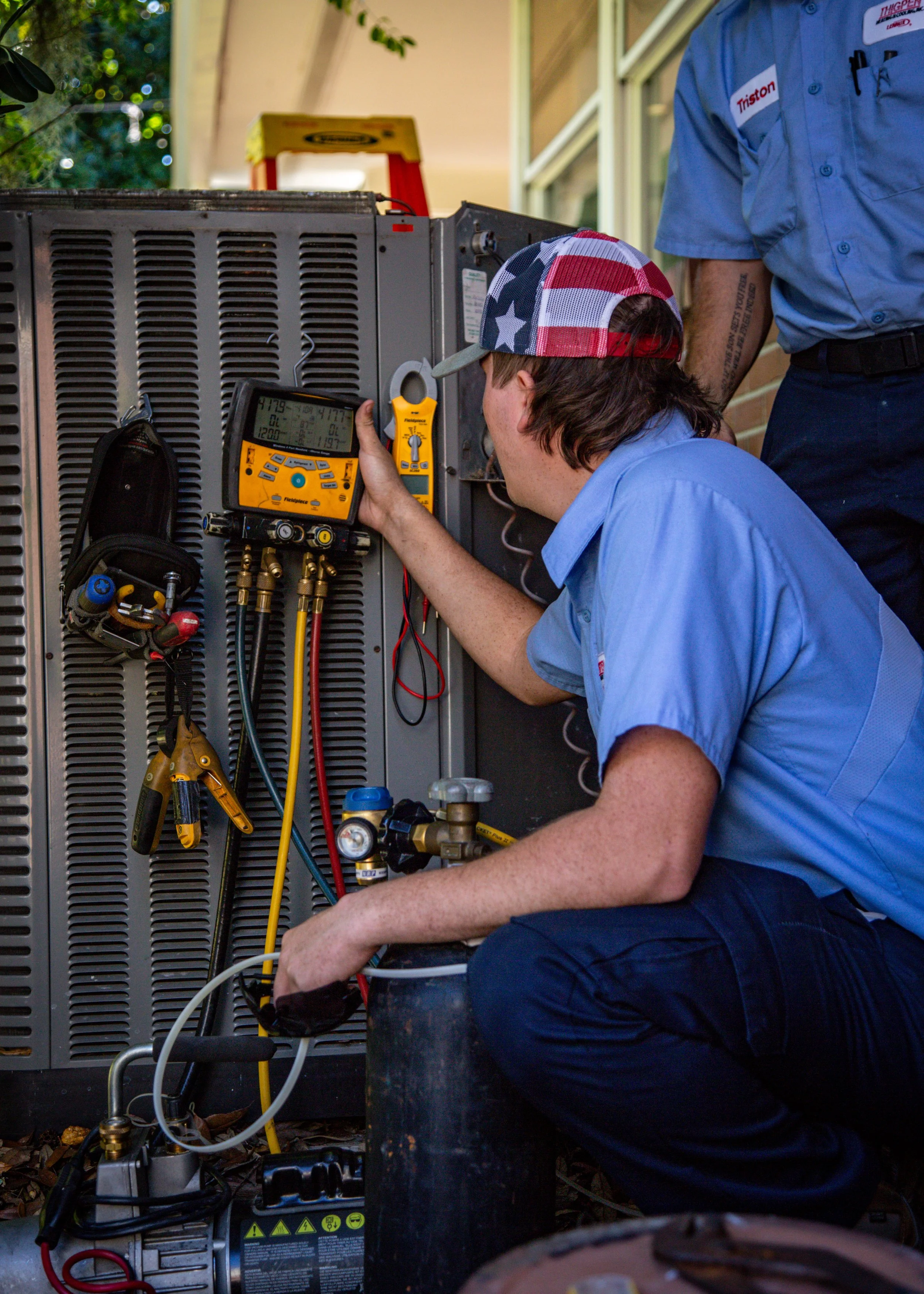
With the constant temperature changes in North Florida, your HVAC system works hard year-round. Keeping your home comfortable during the hottest summer days in August and on cold winter nights in January is important, which is why keeping your HVAC system running efficiently is vital. Scheduling HVAC yearly maintenance is a smart and crucial investment for all homeowners.
Not only does annual maintenance keep your HVAC system running smoothly, but it also improves your indoor air quality and helps extend the lifespan of your unit. Understanding how HVAC maintenance works not only saves you time and money, but also stress.
This guide from our experts at Thigpen Heating & Cooling will walk you through the crucial HVAC maintenance steps you need to take, including what you can do yourself and when a professional should be called in.
Why Yearly HVAC Maintenance Matters
Keep your HVAC system running smoothly by scheduling regular HVAC yearly maintenance. By routinely maintaining your unit, you can spot issues before they become major headaches and costly repairs.
Dust and allergens, clogged filters, worn parts, and other issues can force your HVAC system to work harder than it should, leading to higher energy bills and wear and tear. When your system is properly maintained, it runs smoothly and uses less energy, keeping your home not only comfortable, but ensures that your energy bills are lower.
If you struggle with allergies, whether its dust, pet dander, or outdoor irritants such as pollen and mold spores, routinely changing your filters and cleaning your system helps maintain optimal indoor air quality throughout the year. A cleaner system equals cleaner air for your entire family.
Additionally, some systems and warranty programs require annual HVAC service to keep your warranty valid. Missing routine maintenance that negates your warranty can lead to costly repairs that would have been covered otherwise.
Key Steps for an HVAC Annual Check-Up
Properly maintaining your HVAC system is not difficult. While you should still have an expert come and inspect certain areas, specific components can be done yourself. These checks help keep your system running in its top performance. Areas to include in your annual maintenance include:
Coil cleaning: Your coils and evaporator accumulate dust and dirt throughout the year. When these systems get dirty, they reduce heat transfer which can make your system work harder.
Lubricate all moving parts: Your HVAC system is made up of many moving parts, which require lubrication to reduce friction and premature wear.
Calibration: During your annual inspection, an HVAC service professional will ensure that your thermostat is correctly calibrated and reflects accurate temperature readings.
Electric systems check: When wires are loose or worn, malfunctions and safety concerns can occur, causing system failures.
Check refrigerant levels: When your refrigerant levels are low, your system will not cool efficiently. A technician will be able to inspect and make any repairs if needed.
Check air filters: While your air filters should be changed every month or two, a professional can inspect your unit for further issues such as clogs or excess dirt.
Common Issues Found During Maintenance
Scheduling yearly HVAC maintenance can help you catch problems before they turn into major issues and repairs. Some common issues that can be found during routine maintenance include:
Dirty or clogged filters: While routinely changing your air filters every month or two can greatly improve the efficiency of your HVAC unit, sometimes dirt and grime clog or reduce airflow, causing your system to overheat or freeze.
Leaks: Low refrigerant levels not only impact the quality and comfort of the airflow in your home, but it can also damage critical components such as the compressor.
Electric problems: Worn or loose cables and wires can cause major system failures. Keeping on top of minor issues can help reduce the chances of your system giving out during a heat wave or cold snap.
Clogs or drainage issues: Your system needs to drain, but when it is clogged, water can back up causing damage. Routine maintenance can spot this and ensure proper drainage to protect your system.
Preparing Your HVAC for Seasonal Changes
Temperature changes and outdoor humidity can impact your HVAC system. Florida is hot and humid for many months of the year, which requires you to ensure that your system is ready for whatever Mother Nature has to throw at it. Schedule your annual HVAC maintenance during the transitional weather periods, such as November/ December or March/ April, as this is when your system is traditionally used less frequently.
Additionally, remember to change your air filters, keeping in mind that you may need to upgrade the quality of your filters or change them more frequently during periods of high allergens such as during the spring.
Tips to Extend Your HVAC’s Lifespan
The longevity of an HVAC system depends on the type of unit, environmental factors, and maintenance upkeep. However, a well-maintained system can last anywhere from five to 10 or even 15 years. On average, the warranty of your system lasts around five to 10 years, depending on the unit, which can be a good indicator of how long you should expect your HVAC to work optimally.
There are ways to ensure that your system lasts a long time including:
Change your air filters routinely: This is the easiest way for homeowners to protect their system. Aim to replace every month or two to reduce strain and improve airflow.
Seal leaks: Both refrigerant and air leaks force your system to work harder. When these leaks are spotted and repaired quickly, it can reduce strain on your HVAC system.
Keep everything clear: Every season, look at the area around your outdoor unit and remove any debris or vegetation that can impact airflow.
Utilize smart technology: Use programmable or remotely controlled thermostats that allow you to set and maintain consistent temperatures, even when you are away from home.
Perform annual HVAC maintenance: The best thing you can do for your system is to regularly schedule annual HVAC inspections and maintenance. Routine maintenance prolongs the lifespan of your unit and reduces the overall cost of your system.
When to Call a Professional for HVAC Maintenance
Many basic tasks such as air filter changes can be completed by a homeowner, but larger services and inspections are better left to the pros. Outside of your yearly HVAC maintenance, you should call in a professional if you spot any of the following issues:
High energy bills without increased HVAC usage
Odd noises
Unusual odors
Uneven temperatures from room to room, including poor airflow from vents
System shutdowns or freezes
When in doubt, call a professional like the team at Thigpen Heating & Cooling to discuss your options and get a technician to inspect the issue further.
Your HVAC system is a vital part of your home, keeping it comfortable and safe for you and your entire family. You can protect the value and longevity of your unit by scheduling yearly HVAC maintenance that ensures that issues are spotted before they become major concerns. Furthermore, annual inspections will help maintain the warranty on your unit, extend the lifespan of your HVAC equipment, and deliver other long-term benefits.
No matter the time of year, the experts at Thigpen Heating & Cooling are here to inspect your unit. Whether you are overdue for regular maintenance, have a loud unit you want a second opinion on, or need advice on the best air filters for your HVAC system, our team of professionals is here to help you out.
If you have questions about your HVAC system’s annual maintenance or want to schedule your inspection, reach out to our team at Thigpen Heating & Cooling today.
